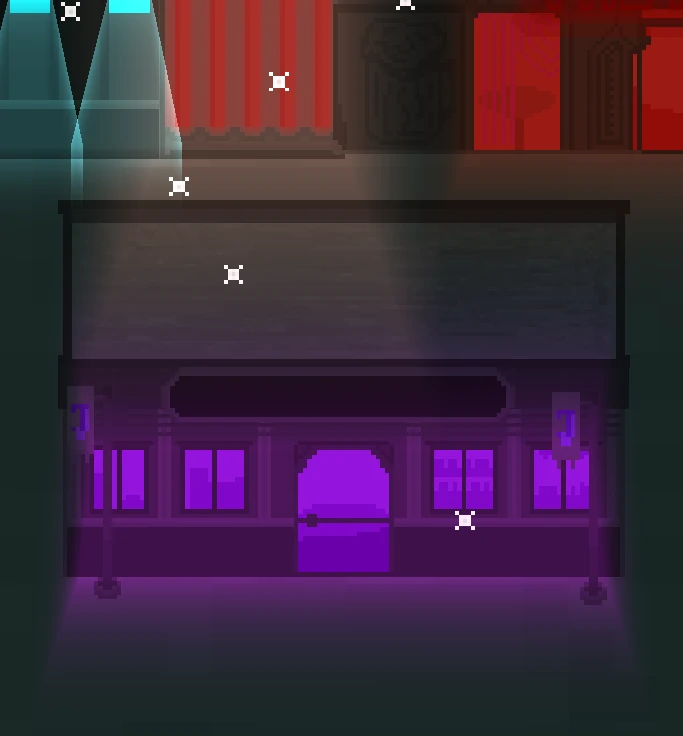
Hi! My name is Dawid Jonczak. My game development journey began in an IT technical high school, where I took my first steps building hobby projects in Unity Engine (including my own versions of Flappy Bird, Pong and other smaler projects). Back then, I learned mainly from tutorials by Brackeys and other YouTube creators. During this period, I also briefly experimented with CryEngine, focusing on level design using built-in engine assets.
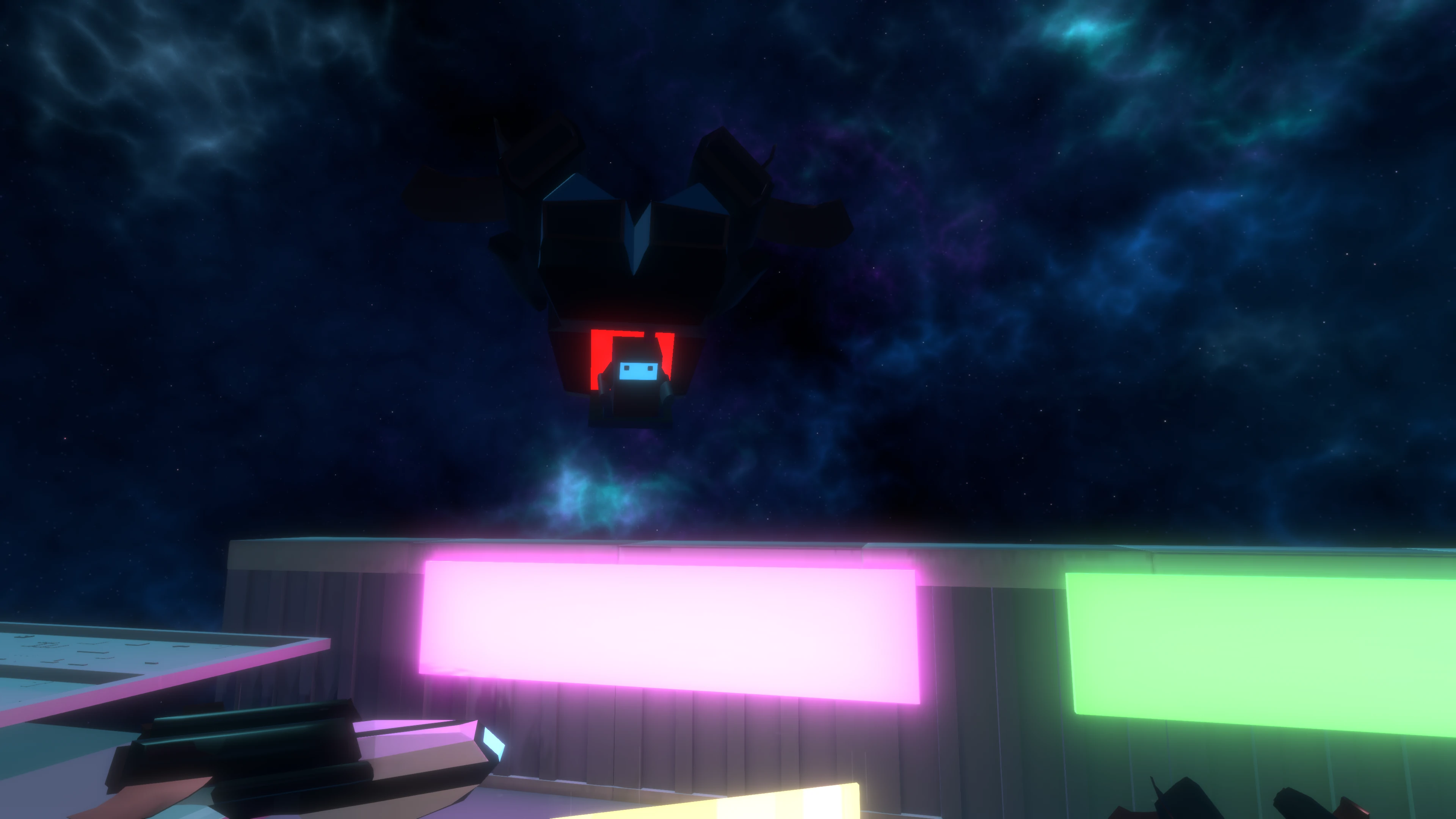
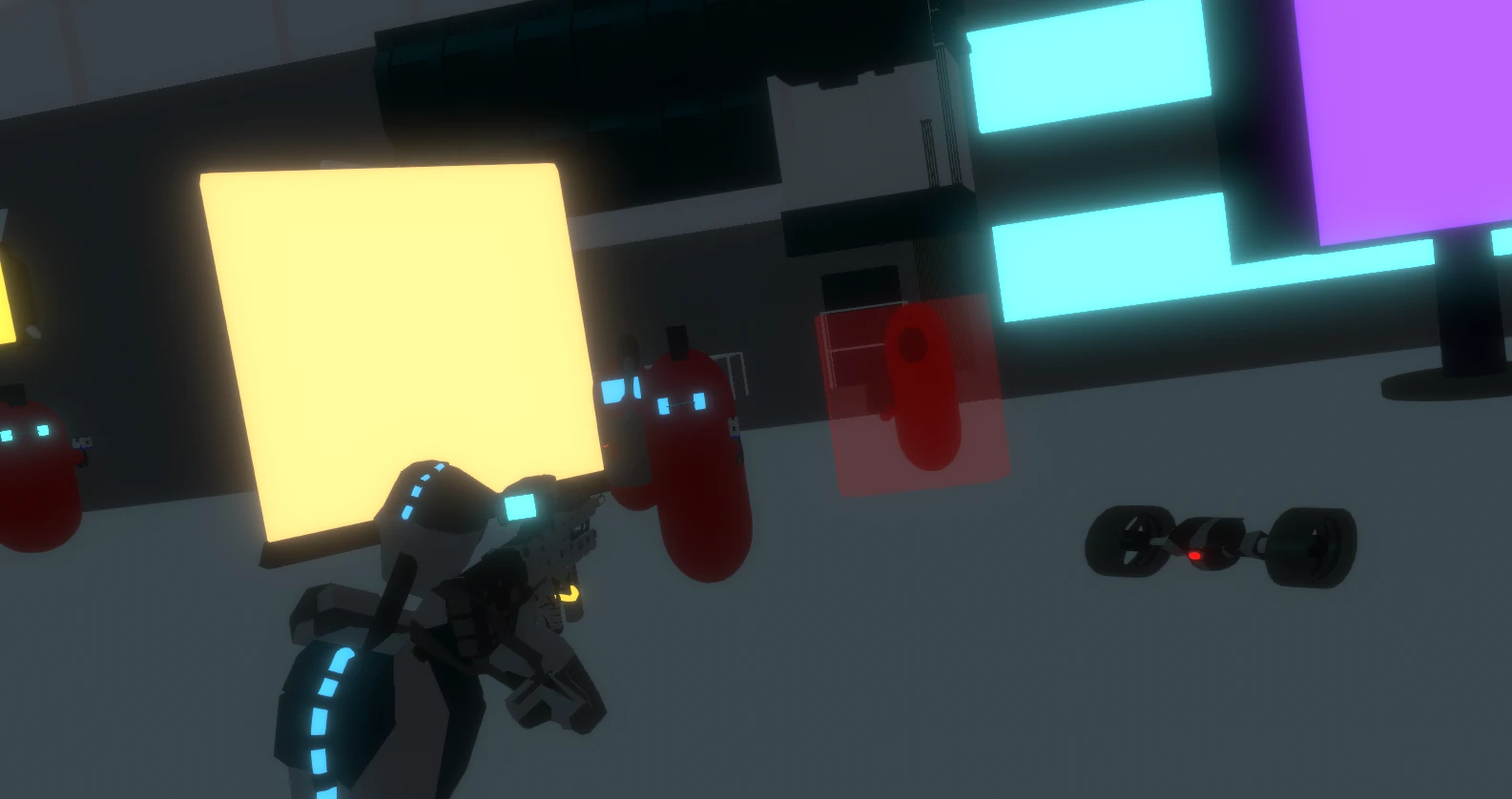
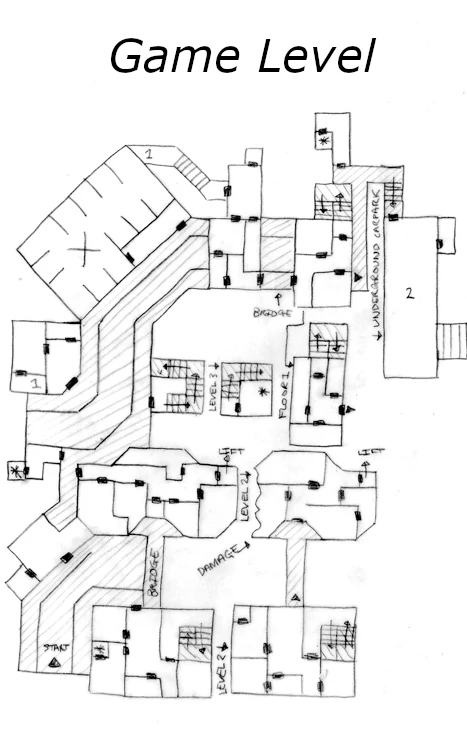
The next natural step was earning a Bachelor's degree in Computer Science with a specialization in Computer Game Design at Collegium Da Vinci. During my studies, I completed several coursework projects. The ones I managed to keep are listed below in my projects section. As a final engineering project, I co-created a two-player cooperative top-down shooter inspired by Helldivers in a cyberpunk setting. My responsibilities included programming, level design, and gameplay mechanics.
Since 2020, I have been working full-time at EHS VR as a Unity VR Developer, where I have created over 23 training applications and games focused on health and safety (HSE). Additionally, I work as a freelancer, developing custom applications for Meta VR devices.
In my free time, I continuously refine my skills by building new prototypes from scratch or returning to older projects to add new features. I am currently working on my personal project, Critical Vector.
I develop games and VR simulation/training applications focused on Health, Safety, and Environment (HSE/OHS). Their goal is to build proper safety habits in users and enable them to safely experience selected scenarios in virtual reality.
My portfolio includes, among others, an eco-friendly educational game featuring a reactive forest environment system where players learn waste segregation using a slingshot mechanics, as well as a rhythmic arcade game for children inspired by Beat Saber, which combines obstacle avoidance and power-up collection with education on carbon monoxide hazards. I have also developed a construction-industry application that enables controlling a tower crane via voice commands and an truck crane using hand tracking and gestures.
I create projects for Oculus Go, Oculus Quest, Oculus Quest 2, and Meta Quest 3 platforms, leveraging hand tracking and gesture recognition technologies (Until 2024 we utilized Oculus Integration and have transitioned to the XR Interaction Toolkit, which we have modified and customized to fit our specific project requirements).
For most projects, I work independently, taking full ownership of the entire development lifecycle:
Programming & Gameplay: Designing and implementing gameplay mechanics and player-world interactions.
Level Design & Level Art: Creating scene compositions, environment set dressing, configuring lighting, and baking lights and reflections (Reflection Probes) to achieve high visual quality.
3D Assets & Artist Collaboration: Selecting 3D models from the Unity Asset Store and TurboSquid, as well as closely collaborating with 3D artists on model, texture, and animation creation.
Shaders & Visual Effects: Creating and modifying shaders using Shader Graph, as well as authoring particle effects (Particle System).
Audio Design: Selecting and spatializing music and sound effects (SFX), along with occasional audio editing and processing in Audacity.
Narrative & Dialogues: Writing, editing, and implementing in-game dialogues.
Animations: Modifying and implementing animations (sourced from Mixamo or provided by animators) using Animator Controllers and Blend Trees.
Optimization: Optimizing games and applications for mobile platforms (collaborating with artists to ensure model and texture performance).
Publishing & Meta Support: Managing the publication process on the Meta Store, uploading store assets, and liaising with Meta support regarding build approvals.
Management & Team Communication: Collaborating with other developers on the internal SDK, as well as assigning and supervising tasks for QA testers in Azure DevOps.
In Unity I use the animation engine DOTween for moving, rotating and various "animations" of objects and ObiRopa an engine based on a particle system used to simulate ropes), which is used to make hoses for fire hydrant or fire extinguisher.
I also implemented Wit.AI for voice interaction between the player an NPC or a walkie-talkie.
Here's a video montage of some of the things I did while working.
Outside of my work at EHS VR, I grew as a freelancer, designing and implementing applications for Meta Quest 2 headsets. As part of this activity, I delivered four commercial projects for external companies. One of them was a training application for DB Cargo Polska S.A., allowing the user to explore the details of wagon repair and observe the operation of the wheelset regeneration line, supplemented by a module enabling easy video material replacement.
The second major project was an application created for Akademia Dobrej Jazdy simulator enabling car driving in city traffic as well as on a maneuver yard with skill tasks. Integration with Meta Quest 2 Touch controllers allowed for intuitive control of the steering wheel, automatic gearbox, seatbelt fastening, turn signals, and gas and brake pedals, while the applied tactile feedback in the form of vibrations during collisions significantly raised the realism of the entire simulation.
Personal projects
Below is a selection of projects I have developed over the years, spanning from my technical high school and university studies to my own personal initiatives
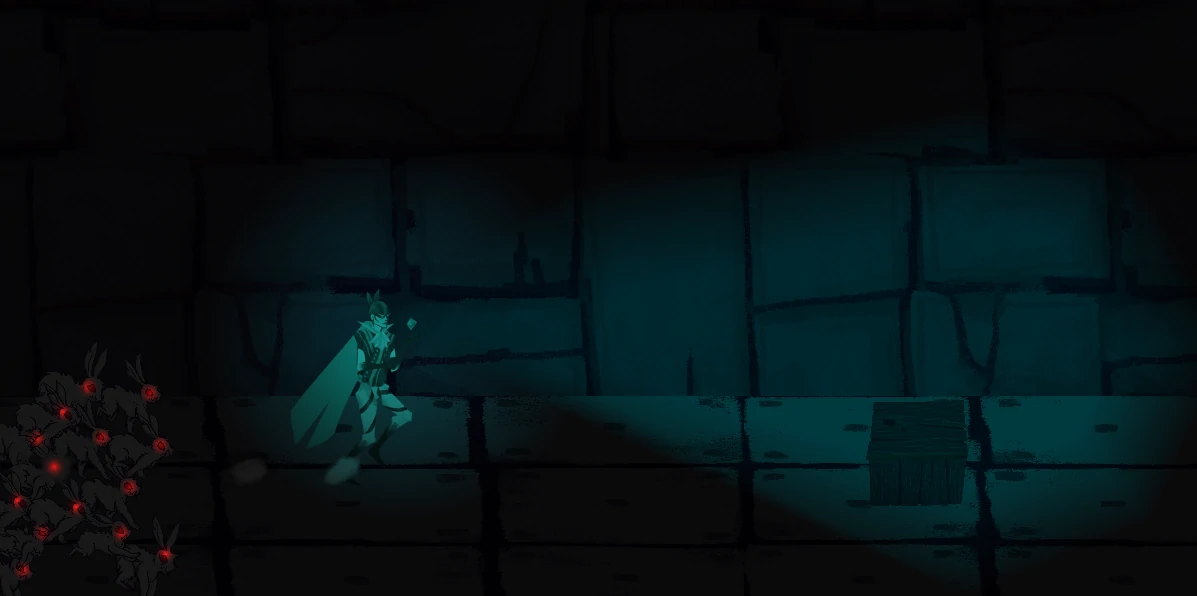
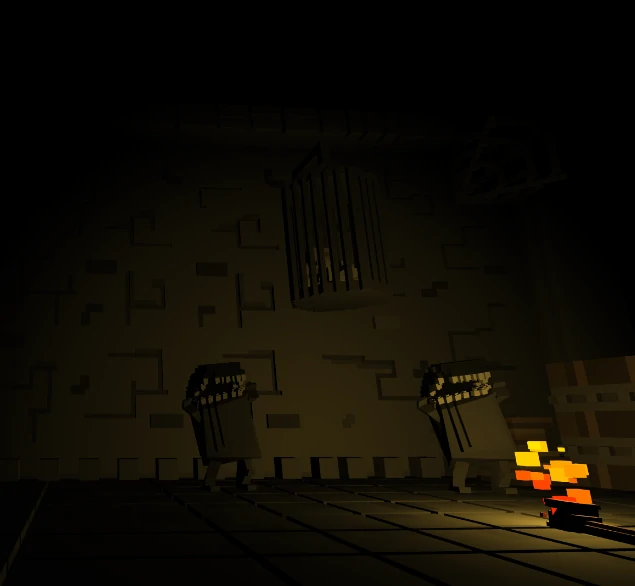
My first projects in Unity, created in a team of four people. The main artistic direction was The Murder Rabbit from Monty Python and the Holy Grail. The game is a mix of many game genres.
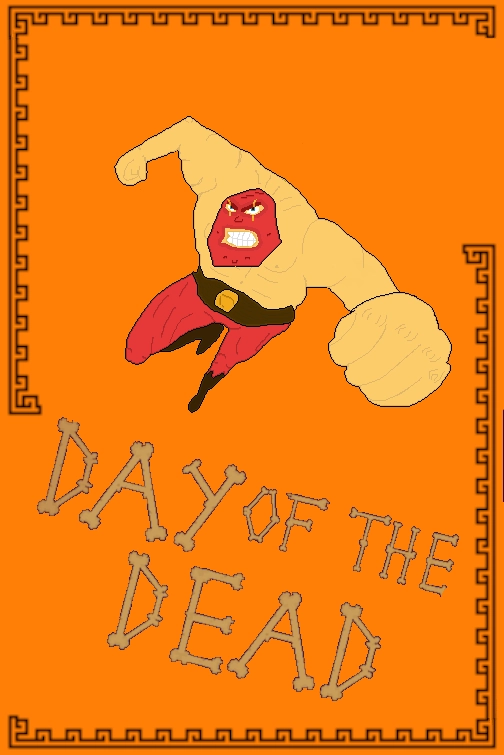
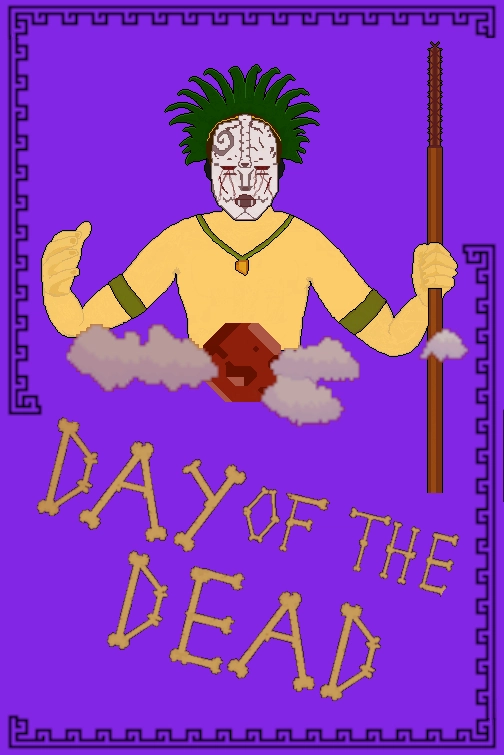
The project was created for 2D graphics classes, where the main theme was the Mexican celebration of Día de Muertos. There are two game modes in the game: History and Arena.